-
Day 28 of Whole30
I’m on Day 28 of the Whole 30, a 30-day food challenge.
I needed a food reset – both in my physiological experience of inflammation in my body and my psychological relationship with food. It’s working. I’m conscious of what I’m putting in my body, I feel much better, and I’m eating local and seasonal foods, while reducing my food cravings and late-night and emotional eating habits.
What is the Whole30?
The premise of Whole30 is “eat real food.” Eat meat, seafood, eggs, vegetables, fruit, and natural, healthy fats – while avoiding the following:
- No added sugar – real or artificial
- No alcohol
- No grains
- No legumes
- No dairy
- No baked goods, treats, or junk food – even with approved ingredients.
You can think of it as paleo + an elimination diet. The program was created by two sports nutritionists, who wrote a New York Times best-selling book in 2009 and a recent follow-up. The authors claim it’s been tried by millions of people and there is certainly a large community behind it answering questions, writing articles, and purporting its benefits (rebalancing hormones and reducing inflammation – and improving digestion, sleep, skin, hair, etc.). While there seems to be little scientific evidence, it’s something I’ve tried before and loved it. But this go-around was particularly tough.
Why did I start this?
I needed a food reset – both in my physiological experience of inflammation in my body and my psychological relationship with food.
This past April, I spent a month traveling through Europe, eating to my heart’s content and drinking wine. It was my first abroad since the pandemic and let myself indulge. I love food and drinks – and savoring good food with loved ones. In France and Italy, I was eating croissants and/or pasta and drinking wine nearly everyday. Wine was excellent, cheap, and part of everyday life during my travels.
I’ve also had long-standing food, less-than-healthy habits. I eat less frequently for nutrition, but rather more often for taste… and to reward myself or in reaction to being upset. I love snacks, sweets, salty chips, desserts, fried food, comfort food, baked goods, dimsum, carbs (noodle dishes,, pasta), and cocktails/wine. I have childhood family memories connected to food, and I know sometimes I eat to subconsciously re-live them (or at least that’s part of the greater enjoyment anyway). Also since I was a kid, late-night snacks was always a reward. Food was the way my mom showed me love. And while I was studying late in high school, my mom gave me fruit (Korean pears) or some kind of snack (chips, chocolate, ho-dduk) around 8:30/9pm.

So as an adult, I turn into a bit of a cookie monster at night. I needed to get my cravings under control.
Did it work?
I do feel great – physically and psychologically. I haven’t measured my blood sugar or body weight before starting – but I’ve noticed fewer instances of brain fog, unexpected fatigue, and sugar crashes. I feel I have more control over how my day goes. My days have less variability, so I’ve been able to identify and isolate the impact that sleep has on my daily experience (performance, mood, energy levels).
Whole30 was and still is psychologically hard. I had a few days when I almost caved. I’ve gone so far as to load my cart full of takeout on my UberEats or DoorDash apps. Days 15-20 were the hardest. No one else is doing Whole30 with me at the moment, but I reached out to friends at low points. But this week, I forgot about my cravings.
Whole30 has been time consuming, but I’m grateful I have been able to carve out time to shop, prepare, cook, and wash dishes. I’ve cooked all but 7 meals – I’ve only eaten out with friends 3x and done takeout 4x. And I had no issue with watching friends enjoy alcohol, pita bread, or patatas bravas.
The food reset is working. The detox is working. I feel like I’ve reset my taste buds. I’ve mostly been using olive oil, garlic, salt, pepper, parsley, cilantro, and basil for flavor.
Some highlights and recent discoveries include:
- The sweetness of orange yellow beets, figs, peaches, cantaloupes – all currently in season
- Creaminess of ripe avocados
- Juicy, sweet, and fatty plantains (ordered from Kitava)
- Otoro sashimi just sliced right at home
- Cooking duck breast – eating it medium rare and enjoying the skin – and cooking veggies in that duck fat
This time (2022) vs. last time (2018) – Notice a difference?
I’ve done whole30 before – mostly as an elimination diet in the past. In 2018, I had some digestion issues with sharp pain my in stomach. After a battery of tests, the doctors weren’t able to diagnose anything. Past food allergy tests showed an allergy to shellfish (so I reduced my intake of shrimp, crawfish, lobster, etc.). I considered using Everywell to test a range of food sensitivities, but was concerned about privacy issues so didn’t order it.
After my 2018 whole30, I willingly reduced my intake and weaned off of butter, beer, artificial sugar, rice, garbanzo beans, chickpeas, yogurt, and granola. This time around, I can taste the difference of not having soy sauce, cheese, bread, dumplings, noodles, pasta, fried food, corn, and honey in my diet and body. Also, while it’s technically compliant, I reduced my intake of sesame oil which I used to drizzle on top of many dishes for an extra kick of umami.
Truly following the Whole30 program not only requires preparation, but a commitment to start over and comply to the all-or-nothing mindset with a level of rigor, rigidity, and intensity. If you accidentally consume food that’s not “compliant,” you have to start over. In 2018, I started over at the day 10-11 mark and finished it out again. In 2020, I remember having monk fruit by accident (artificial sweetener in a juice – and juice isn’t totally recommended either) into day 22 – and quit. Earlier in my Whole30, I think I had cornstarch in the juicy potatoes at Souvla. I asked a few questions, but I didn’t ask about corn (which is marked as an ingredient on their menu list :(. I remember eating potatoes beyond the point of being full, thinking “man, these are addictive.” While I’m not going to start over, I’m going to “finish strong” and finish out the next 3 days.
Gratitude + Recommendations?
I feel so lucky to live in California where I have access to fresh, seasonal produce year-round through local farmers markets. I only started recently shopping at farmers markets this year – and I can definitely taste the difference. I’m grateful for the farmers, purveyors, and everyone in the ecosystem that makes it possible to have access to some of the most delicious and healthy things I’ve ever eaten in my life.
Do you have any healthy food habits or recommendations based on what’s worked for you? Any nutrition plans, tools, structures, and accountability groups you want to share?
-
For startup founders: 7 questions to prepare for a tech accelerator
Fall is just around the corner. For startup founders, that means they are looking to start an accelerator program in the fall/winter of 2022.
Background
Accelerators are programs that provide early-stage companies with funding, resources, and mentorship to “accelerate” the company’s development, usually in exchange for equity. Typically, these 3-months, cohort-based programs culminate in a “demo day” of pitches where the start-ups showcase their product and raise additional funding from a room full of investors, press, and other stakeholders. Two of the most notable accelerators that are still active today are YCombinator and Techstars.
My Experience
Having been through an accelerator before, I created a list of questions I wish I had before starting. I originally created this list for a close friend of mine who is starting an accelerator this fall 🎉, but I can’t mention names because the cohort is not yet announced.
I was 1 of 8 orgs selected to participate in Fast Forward, a nonprofit tech accelerator, in 2017. I loved my experience, but in retrospect, see how I could have maximized my experience.
Questions to Consider
If you are a startup founder or team member, here are a few prompting questions to brainstorm about in preparation for your accelerator experience.
1. How do you want to feel at the end of the accelerator?
2. What have you learned by the end of it? What measurable outcomes have you achieved? (Could be related to product development, customers, sales, traction, testing product-market fit, marketing, scaling, among other things.) What’s the win you are playing for? What can you ask for? What specifically do you need help with?
3. Who have you developed relationships with? What is the nature of the relationship? What would you like to count on them for during and after the program? Who are your ideal advisors/mentors you want to meet? How can they help you fill gaps in terms of your team or expertise?
4. Is there an advisory board to build – or other structures – that would accelerate your efforts? What can they provide (skills, intros, or signal/clout)? What would you be vetting people for?
5. What can you put in place in advance to be the most powerful and effective leader you can be during the program? What adjustments can you make today, if any? How can you scale yourself? What habits, structures, and/or systems can make a difference? What will you say “no” to? If you plan to be heads-down during the program, what do you need to take care of before you start? Who do you need to let know?
6. Assuming you have a team: What expectations or plans do you have of yourself? What expectations do you have of your co-founders or team members? (Could include commitment, availability, roles, re-location, what to do about existing/other responsibilities, equity splits, etc.) It’s easy to gloss over this step, but being explicit and communicating and aligning prior to the start could save you a lot of headache further down the line.
7. Assuming you have a product in market already and/or further along than just an idea: What is your best case exit scenario that you want? What needs to happen for you to achieve that exit? What are the assumptions behind the best case scenario? What is the gaps between then and now that need to be filled?
I like this video from Kevin Hale. It’s short and explains a VC’s mindset.
You can then think about how to get to the end state with different scenarios of customers and pricing.
And remember, this is just a thought exercise for scenario planning. They might seem like abstract questions but I think your answers will start to get specific and the subsequent potential tactics will emerge.
If you had an executive coach, these are questions that might come up throughout a session. To get the creative juices flowing, you could journal, write bullet points while timeboxing, record yourself in a voice note, or talk with a friend/advisor (and ask them to capture what you are saying).
For Later: Resources and Additional Reading
I will add resources here later. If you have any that you’d suggest, please leave a comment. ❤ Good luck! Hope your experience is amazing!
-
#StandwithSalman
On August 12, 2022, Indian-American novelist, Salman Rushdie was stabbed in the neck and torso on stage at Chautauqua Institution in Western New York while giving a talk about the US being a safe haven for exiled writers. He has undergone surgery. He is on a ventilator and unable to speak. His agent said that in addition to damage to his liver, Salman might lose an eye. The assailant – a 24-year old New Jersey man – was charged and arrested with attempted murder. There have not been any conclusions made about motive or a connection to Iran.
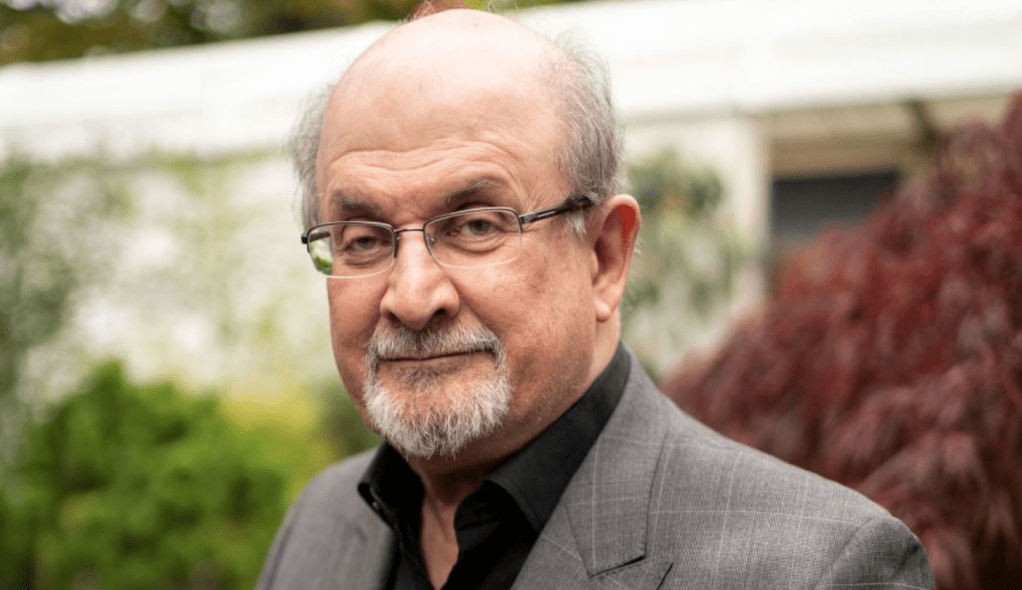
David Levenson/Getty Images Salman went into hiding credible threats to his life after he published his novel “The Satanic Verses,” but has recently re-entered society and been seen around New York City at times without security.
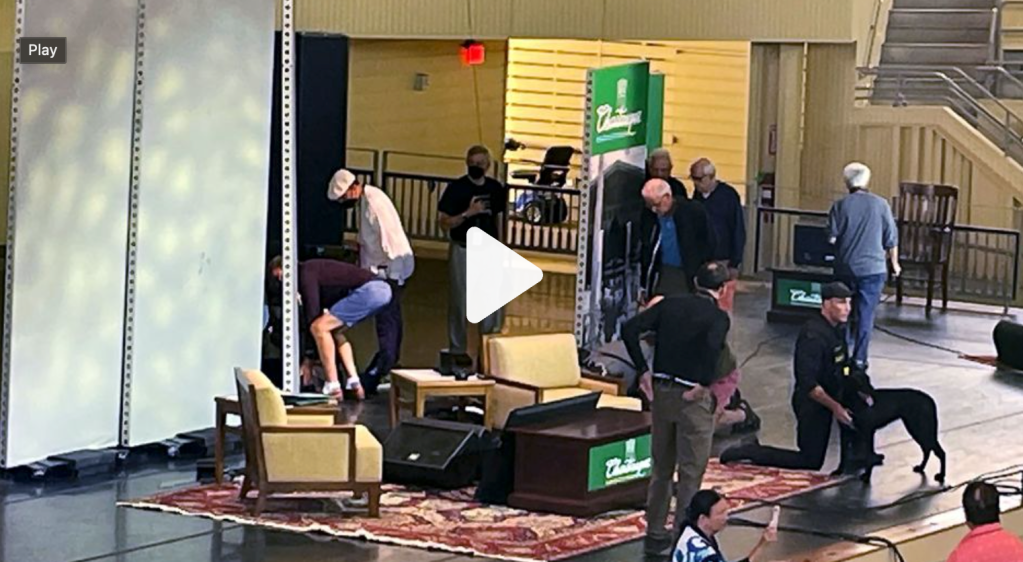
Video footage of people attempting to help Salman, now 75, has been living under a death sentence since 1989. Iran’s former ruler Ayatollah Khomeini issued a “fatwa”, sentencing him to death, for the “blasphemous” The Satanic Verses. A “fatwa” is a religious edict that orders Muslims to kill the person at hand. There was a bounty with a reward of several million dollars. To be honest, I was unfamiliar with “fatwas” until watching an episode of Larry David’s Curb Your Enthusiasm (Season 11).
The Satanic Verses parodies the Koran’s account of the prophecies of the Prophet Mohammed, the founder of the Islam faith. Many Muslims found the fictional depiction offensive and some even “blasphemous.” Salman was found guilty of creating publish disorder (“fasad”) under Islamic law. There were riots and deaths in India and Pakistan after condemnation of the book. The book was banned in 45 Islamic countries. Salman lived in London at the time. Many British Muslims endorsed the death sentence back then.
Many writers and politicians have condemned the attack and view it as an assault on the freedom of expression. See here for Reuters’ compilation of quotes and reactions.
Pen America, along with his publisher (Penguin Random House), hosted an event on the steps of the iconic Bryant Park branch of the New York Public Library yesterday. Writers stood in solidarity and read his work. I watched for a bit.
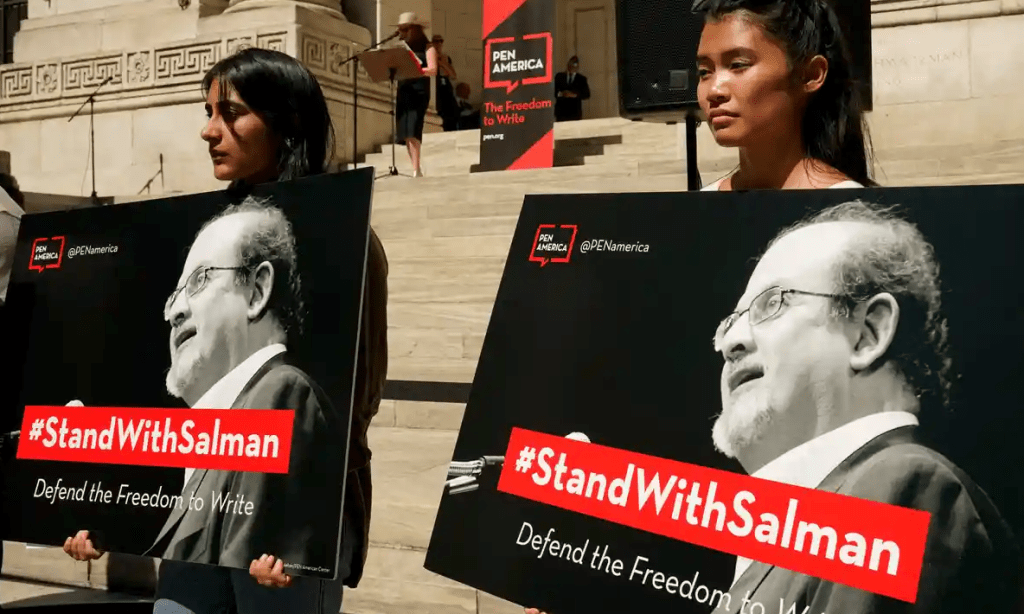
Timothy A Clary/AFP/Getty Images See livestream replay here:
““We stand with Salman in an effort to boost his spirits but also in a determination to stiffen our spines.” Suzanne Nossel, Pen America’s CEO, said in her opening remarks.
I have not read The Satantic Verses myself, but I do care about protecting the freedom of expression. I deeply respect writers and journalists, who take tremendous risks to tell the truth and publish their work. “Freedom of expression” or “free speech” has been recently been misused in philosophical debates about social media platforms in order to amplify harmful content with limited responsibility. Beyond just using “free speech” to advance one’s arguments in tweets, this is what protecting “free speech” looks like – making sure people like Salman aren’t stabbed on stage. The risks to freedom of expression are physical, visceral, and real.
I have a lot to learn here. I’ve read some interesting stats in terms of the number of times he’s been moved and the threats to his publisher – which I will add on a later date. Here’s coverage by the Times, Guardian, Reuters, and Yahoo.
The world awaits. I hope he recovers as fully and smoothly as possible.
-
Watching: The Janes
I’m currently watching The Janes, a new documentary about the women who created an underground network for safe, affordable, illegal abortions in Chicago in the 1960s.
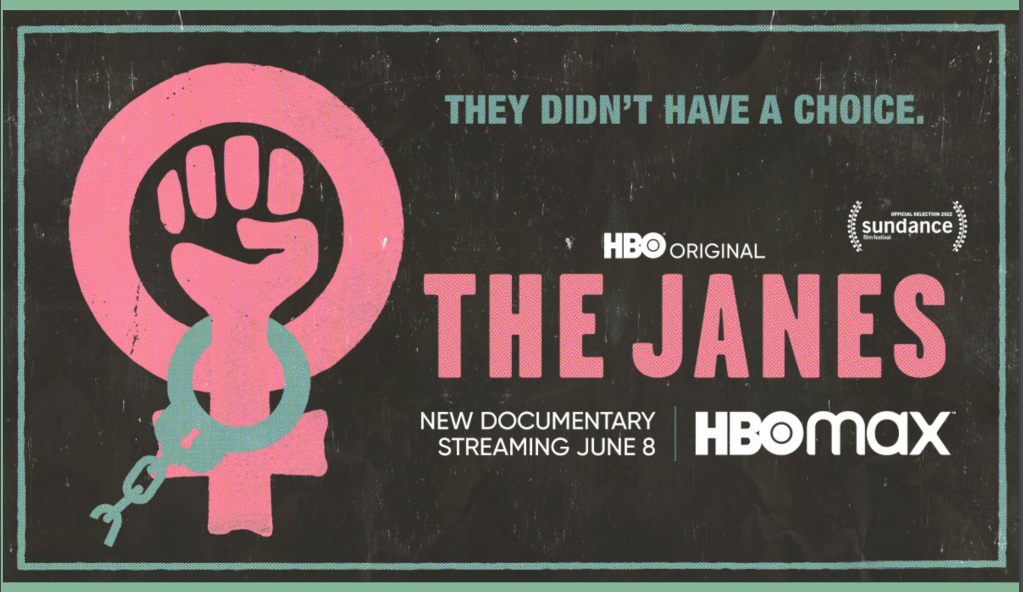
“You’d call a number and ask for Jane.” The Janes provided low-cost or free abortions to an estimated 11,000 women pre-Roe v Wade, “when abortion was a crime in most states and even circulating information about abortion was a felony in Illinois.” The Janes put their personal and professional lives at risk to help women in need. They used code names, fronts, and safe houses to protect themselves. In the spring of 1972, after a police raid, several members were arrested and charged.*
*Paraphrased from the documentary website
Check out this trailer. You can watch on HBO. More on this topic to come.
If this topic is important to you, I’d love to know. Feel free to reach out directly.
-
Feeling
This is one of my favorite works by ee cummings. Oscar Wilde wrote “most people’s thoughts are those of others; their words a quotation.” As we continue to live in a world that seems biased towards action over reflection and favor thinking over feeling, this poem from 1972 provides insight – and the encouragement to simply feel and be yourself.
A Poet’s Advice To Students
ee cummings
A poet is somebody who feels, and who expresses his feeling through words.
This may sound easy. It isn’t.
A lot of people think or believe or know they feel-but that’s thinking or believing or knowing; not feeling. And poetry is feeling-not knowing or believing or thinking.
Almost anybody can learn to think or believe or know, but not a single human being can be taught to feel. Why? Because whenever you think or you believe or you know, you’re a lot of other people: but the moment you feel, you’re nobody-but-yourself.
To be nobody-but-yourself-in a world which is doing its best, night and day, to make you everybody else-means to fight the hardest battle which any human being can fight; and never stop fighting.
As for expressing nobody-but-yourself in words, that means working just a little harder than anybody who isn’t a poet can possibly imagine. Why? Because nothing is quite as easy as using words like somebody else. We all of us do exactly this nearly all of the time-and whenever we do it, we’re not poets.
If, at the end of your first ten or fifteen years of fighting and working and feeling, you find you’ve written one line of one poem, you’ll be very lucky indeed.
And so my advice to all young people who wish to become poets is: do something easy, like learning how to blow up the world-unless you’re not only willing, but glad, to feel and work and fight till you die.
Does this sound dismal? It isn’t.
It’s the most wonderful life on earth.
Or so I feel.
-
The $350m a16z x Adam Neumann deal: What people aren’t talking about yet
The internet is buzzing with shock and outrage at today’s announcement that Andreessen Horowitz (a16z) is investing $350 million in Flow, the new startup of the arguably disgraced co-founder of WeWork, Adam Neumann. Even before opening its doors or having a product, this funding round values Flow at more than $1 billion.
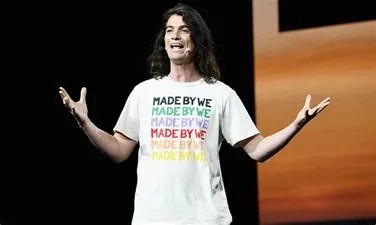
People seem skeptical at best, angry at worst about Adam raising this much money so soon after WeWork’s flop – its loss of value for shareholders and toxic employee culture of sexism. (I often find it challenging to succinctly summarize the misdeeds of people in positions of power who also happen to be white men, so if you have a better summary, feel free to leave a comment.)
There are some nuanced takes like this Linkedin post from Henri Pierre-Jacques of Harlem Capital.
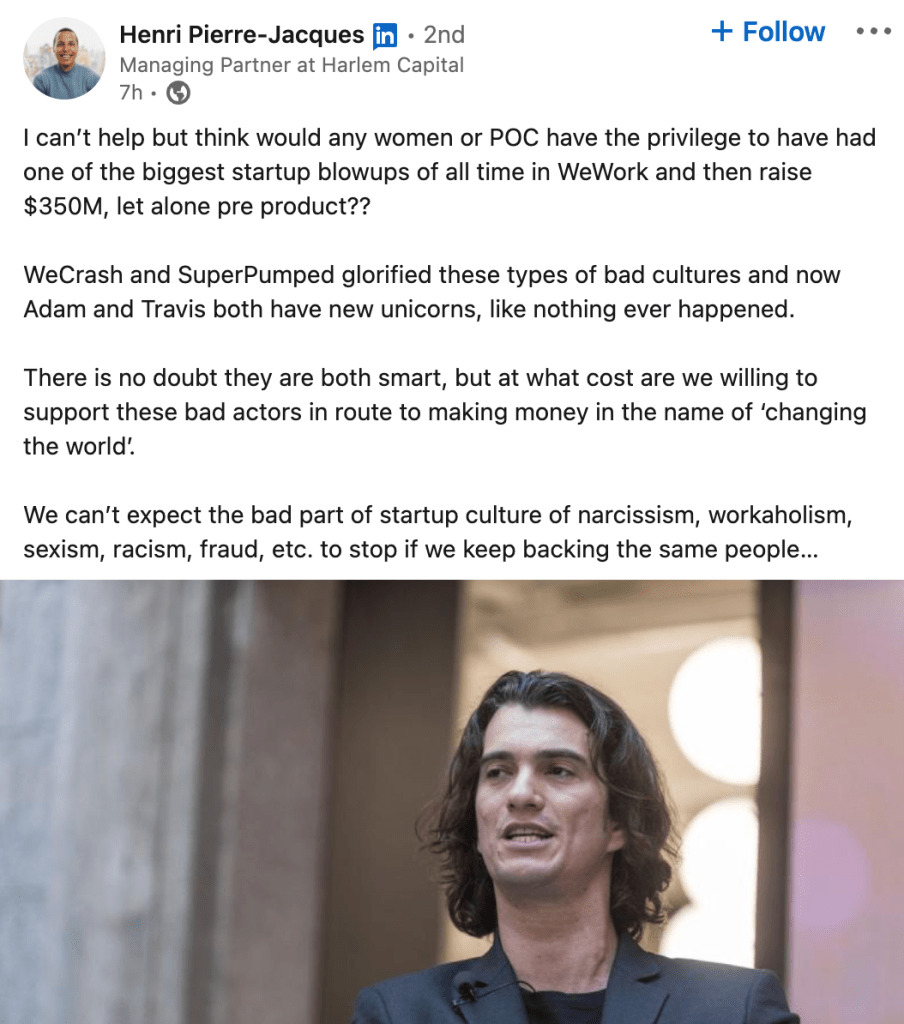
Building on Henri’s line of inquiry, let’s talk about what no one has really brought up yet…
How does a venture deal like this happen? Who makes this possible?
a16z’s Limited Partners
Who invests in a16z? What do the LPs think about this deal? Have reporters interviewed these LPs whose money is invested in Flow?
Let’s follow the money – and look at the money behind the money:
- a16z invested $350m in Flow, but a16z also has investors (Limited Partners) such as university endowments, pension plans, sovereign wealth funds, family offices, a16z partners / employees, and other individuals (including a selected group of Black LPs out of its Cultural Leadership Fund). These Limited Partners invest in a16z (General Partner) who invests in startups like Flow.
- a16z deals and funds may have generated so much money that they are reducing their dependence on outside capital, but they are still raising it
- a16z raises raised large funds for specific strategies ($4.5bn crypto; $2bn late stage; $750m for early-stage) which means – on average – they need to write large checks to deploy their capital.
What are some other facts according to New York Times’s Dealbook:
- “The investment, the largest individual check Andreessen Horowitz has ever written in a round of funding to a company”
- “Flow is expected to launch in 2023, and Marc Andreessen will join its board”
- “Neumann has purchased more than 3,000 apartment units in Miami, Fort Lauderdale, Atlanta and Nashville. His aim is to rethink the housing rental market by creating a branded product with consistent service and community features. Flow will operate the properties Neumann has bought and also offer its services to new developments and other third parties. Exact details of the business plan could not be learned.”
- “Flow appears to be financially separate from the crypto company Flowcarbon, which was also co-founded by Neumann and raised $70 million in May in a round led by Andreesen Horowitz.”
- “Andreessen said in the blog post that he was interested in Flow because the rental real estate market is ripe for disruption.”
Reading between the lines, a few observations and thoughts:
- This investment represents not only an inconsistency to average industry check size and in their firm’s history, especially for a deal at this stage. $350m is a large check (the largest in the firm’s history in 1 round) in general (and would make more sense for later-stage deals), but unheard of for a pre-seed deal (industry average check sizes at $500k-$1m at $X-$XXm valuations). So how why did this get 100-350x for this deal?
- Andreesen Horowitz must have really wanted this deal, wanted to work with Adam, wanted that board seat, wanted to lead this deal?
- Why would a16z make such a large bet again, after investing $70m in Neumann’s Flowcarbon company only 3 months ago?
- “Disruption” = $$$ opportunity – there’s clearly potential to create another multi-billion dollar business, but how? With what business model?
Returns, but at what cost?
What if – in the process of “rethinking the rental market” and “disrupting residential real estate,” Flow employs an exploitive business model that ends up gentrifying low income Americans in BIPOC neighborhoods and communities? Squeezing the pocketbooks and ultimately bankrupting… let’s say, public school teachers? Ends up making structural changes to the residential real estate market that harms middle class Americans and exacerbates existing inequities that can’t easily be reversed?
Hm, so if I’m a pension fund, do I tell my employees, “well, your pension holdings are up 3% due to an exit in Flow, but that same company contributed to your eviction or is related to why it’s been harder to find an affordable home of your choice (that isn’t full of amenities that you actually don’t want) or ”
If I were an LP in a16z’s fund, I would be paying close attention to not only my financial returns, but impact of my portfolio and its potential inadvertent harms on the very people whose futures I’m trying to protect and nurture.
What could LP accountability look like?
LPs might not be in a position to take immediate, direct action, but can start to think about the second and third order effects of their investments in fund managers — as well as potential sources or causes of these dynamics, such as fund sizes.
- Fund sizes – what incentives do mega funds create? do larger funds create incentives for undisciplined behavior?
- Inadvertent harms – what harms, if any, have the companies caused my stakeholders or in the world?
Fund Size in Focus:
Larger funds tend to lead to larger investments in companies who then are in turn saddled with aggressive growth or expansion goals to generate a return on a larger amount of capital. Disproportionately large funds create an environment ripe for bad incentives – with startups looking to find hacks, loopholes, shortcuts, or even commit fraud – to deliver. Companies also may attempt to fundraise more to make up for their losses or burn rates, resulting in unsustainable business models that put pressure on the need for a large exit.
Why is this hard?
Everyone’s incentives are askew. Everyone is incentivized to maintain the status quo, especially the status quo has been making them money.
- Cash money – Venture capital funds get richer as they raise larger and larger funds. ^^ This is oversimplified – but worth saying. Firms typically charge a 2% management fee annually for the first 5 years of the fund – so the larger the fund ($100M fund VS $500M fund VS $1B fund), so you are pocketing $2M, $10M, or $20M every year.
- Symbiotic relationships – Employees, startup founders, and others in the ecosystem don’t want to “bite the hand that feeds them.” The people who have information also do benefit from the system writ large – whether it’s through their paychecks, investment track records, industry signaling / credibility, references, or getting to the next valuation round to support their companies. At that point, you want the deals to do well and to make money together. And these are people that you might be friends with, went to college or b-school with, and generally like. They can be speak persuasively, be charismatic, and even make you feel seen and heard.
- Fear of retaliation – VCs like a16z and others have a history of not only criticizing but also targeting journalists through various tactics of online harassment.
- Power imbalances – when times are good and fund performance is up, GPs / VCs have the power. Demand to invest in their funds is high, so GPs can pick and choose which LPs to let in. The best performing funds can be “hard to access” and get into, so LPs may feel less comfortable requesting custom or extra analysis or information, especially if the GP is generating great returns for them.
A few thoughts on “disruption”
I think after the general public bought into the Silicon Valley hype and startup/tech manta popularized by Facebook of “move fast and break things,” the public has growing awareness of that not all disruption is good. People are starting to wonder, “disruption, but at what cost?” While I recognize there are companies that have transformed how we live and work, but so many companies today are setting out to “disrupt this” and “democratize that.”
How can people trust that Flow isn’t another form of greenwashing – with purpose masquerading as content marketing for profit?
Perhaps only time will tell, but it’s been interesting to see people’s reactions. I am hopeful that with the increase in public consciousness of incentives and bad actors in the last 5+ years, we don’t forget the lessons of the past and think critically before blindly consuming or supporting purpose-driven corporations… because at the end of the day, that’s what they are: corporations.
-
Asian families on the big screen: Jo Koy’s New Movie, “Easter Sunday”
I went to a screening of Easter Sunday – a movie starring comedian, Jo Koy – with a friend in downtown San Francisco today!
I’m a fan of Jo Koy’s comedy – I loved his Netflix specials. His impressions and explanations of Asian accents are hilarious. I saw him on tour at the Chase Center in 2020, where I sang along to 90s R&B songs that were part of his set.
Growing up, I mostly watched Black tv shows and movies. I didn’t really understand why until now. There was barely any Asian representation in media, let alone Asian families being shown, so Black tv was the next best relatable thing.
But now, I saw a Filipino family on the big screen today, accents and all. Accents were used to reflect intonations and how people speak, without it being derogatory or diminishing. I know this movie is going to be a gamechanger for kids growing up today to see their food, culture, jokes, and even accents from their community being honored and celebrated.
I remember I used to be so ashamed of my parents’ accents, so I tried to speak as “white” or “American” as I could. I’m so grateful for AAPI identity and community – and immigrant stories – becoming increasingly mainstream, and that the next generation of AAPI teenagers can live freely and boldly in a world that accepts them, parents, and families as they are.
Easter Sunday is such a feel good movie! It’s funny and sweet – and a little corny at times, but it’s to be expected. Jo writes that his inspiration was “Friday.” It was a delight to see so many AAPI and Black actors in a movie. I can’t wait to see them star in other roles in the future.
Here’s an interesting stat and a few links to coverage:
- Only 5.9% of characters from 2007-2019 were played by AAPI actors – and 3.3% were AAPI leads or co-leads according to a 2021 study covering 1,300 top movies published by the Annenberg Inclusion Initiative at the University of Southern California
- “Jo Koy diverted ‘Easter Sunday’ from Netflix so Filipinos could see themselves on the big screen” – NBC
- “Jo Koy on Comedy They Told Him Wouldn’t Work: the standup’s breakthrough film, ‘Easter Sunday,’ focuses on Filipino family themes dear to him, especially after naysayers said audiences couldn’t relate.” – NYT
-
Cut the pretense
I spent the last hour and a half trying to write the second blog post. What a waste of precious time!!
I noticed that I care about sounding smart when I write. I need to cut the crap, I mean, pretense.
If I were explaining something to my friends’ kids, I would just tell it to them straight. I would distill facts, thoughts, and ideas down to its core. I would focus making the writing as clear and concise as possible, so they get the point and can engage with it. I wouldn’t be concerned with whether my friends’ kids are impressed by me or think what I have to say is “profound.”
For now, I’ll pretend to write for my friends’ kids.
-
Starting
Finally, it’s happening!!!!
I’m starting to write.
I’ll start with a sentence, maybe even a paragraph a day. My goal is to express a clear, coherent thought and hit the “publish” button.
Writing a blog was something I’ve always wanted to do, but I never managed to get started. Do you have a bucket list item like that? Something you talk about, but haven’t done yet? Year after year, I’ve added “write a blog” to my various lists (New Year Resolutions, Year Compass, aspirational projects, etc.), only to kick the can down further. I would chalk it up to being too busy, when in fact I was just afraid. More on my fears and motivations another time.
🎉 WOOHOO! 🎉
On several of Nike Running Club‘s audio-based guided runs, the coaches will say things like “way to cross the starting line.” I have often rolled my eyes and dismissed the early cheering as self-congratulatory or corny, but that positive encouragement does help me in the run. It does help to take a moment to acknowledge and celebrate starting. Starting can be a small step forward, an act of determination or courage, and maybe even a victory over the past.
Here’s to starting!

-
Subscribe
Subscribed
Already have a WordPress.com account? Log in now.
 liz writes